Happiness Jar Quotes: A Simple Way to Train Your Brain to Notice Joy
If you’re looking for happiness jar quotes to brighten your day or fill a jar with small reminders of what’s good, you’re in the right place.
A happiness jar may sound simple — just short notes tucked into a container — but after 25 years studying how the brain forms habits and responds to stress, I see it as something more meaningful. In midlife especially, our attention often drifts toward responsibility and problem-solving. We scan for what needs fixing.
Writing down moments of gratitude or joy isn’t just sentimental — it’s powerful. Each time you record and revisit something positive, you strengthen your brain’s ability to notice and return to that state again. Below, you’ll find happiness jar quotes designed to gently shift your focus back toward steadiness, gratitude, and everyday joy.

What Is a Happiness Jar?
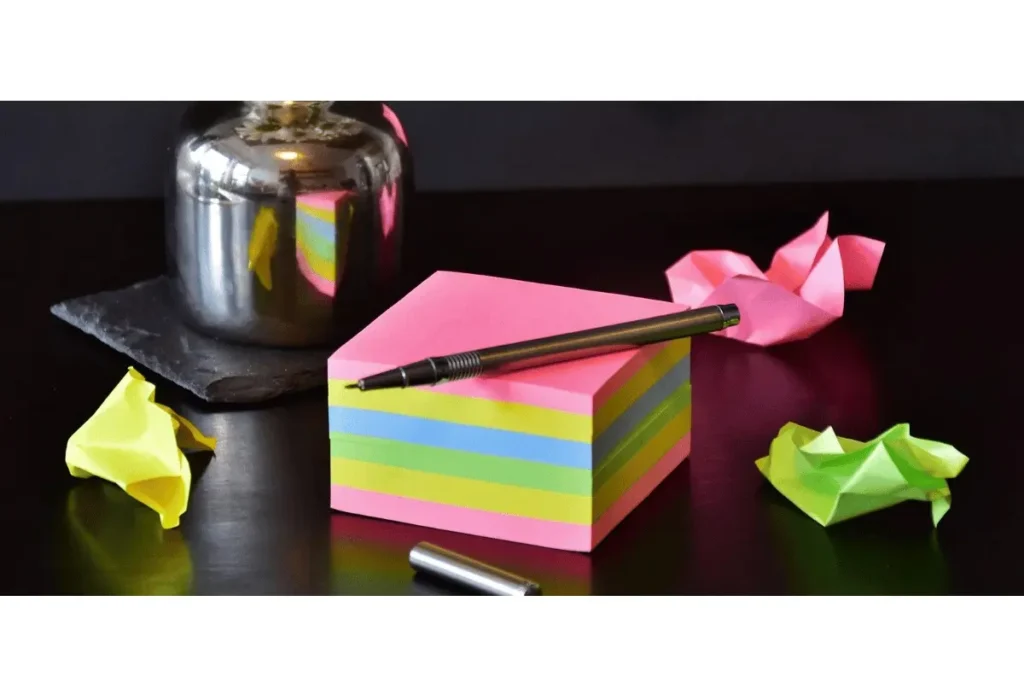
Elizabeth Gilbert introduced the happiness jar to the world many years ago. She didn’t want it to have strict rules. It’s meant to be fun! The idea is simple. Find a jar, write down quotes and/or happy moments on small pieces of paper, and drop them inside. Over time, the jar fills with good memories, positive messages, and small reminders of joy. You can write about anything—a funny conversation, a great meal, a kind word from a family member, or a little thing that made you smile (joyful).
Why a Happiness Jar Matters in Midlife
A happiness jar isn’t just a “feel-good” craft — it’s a small, intentional way to shift how your brain pays attention. In midlife, when responsibility is high and mental load feels constant, practices that redirect focus can have a meaningful impact.
Here’s why this simple ritual works on a deeper level:
1. It Gently Counters Negativity Bias
Our brains are naturally wired to notice potential problems before positive moments. Psychologists call this negativity bias — the tendency to remember the stressful email more vividly than the five things that went right.
When you intentionally pause to write down something good, you interrupt that automatic scan for threat. Over time, this repeated redirection strengthens your ability to notice small wins instead of defaulting to stress.
2. It Engages Memory Through Physical Action
As an educator, I’ve seen how writing something (kinesthetic) improves memory retention. When you handwrite a note and drop it into a jar, you engage multiple senses — sight, touch, and sound. That simple tactile action anchors the moment more deeply than typing it into your phone.
It transforms an abstract thought into something tangible.
3. It Reduces Decision Fatigue Through Simplicity
By midlife, your mental load is often at its peak. You don’t need another complicated habit to maintain.
A happiness jar works because it’s low-friction. It takes seconds. There’s no pressure to be profound. Just a small observation. That simplicity makes it sustainable — and sustainability is what reshapes patterns.
4. It Builds Self-Efficacy Over Time
Self-efficacy is the belief that you are capable of influencing your own outcomes. When you revisit your jar and see pages of small wins, gratitude, and resilience, you’re not just reminiscing. You’re reinforcing evidence that joy has always been present — even in hard seasons.
And that reminder changes how you approach tomorrow.
How to Make a Happiness Jar
Starting a happiness jar takes just a few minutes–nothing too earth shattering–here’s how to do it:
1. Gather Your Supplies
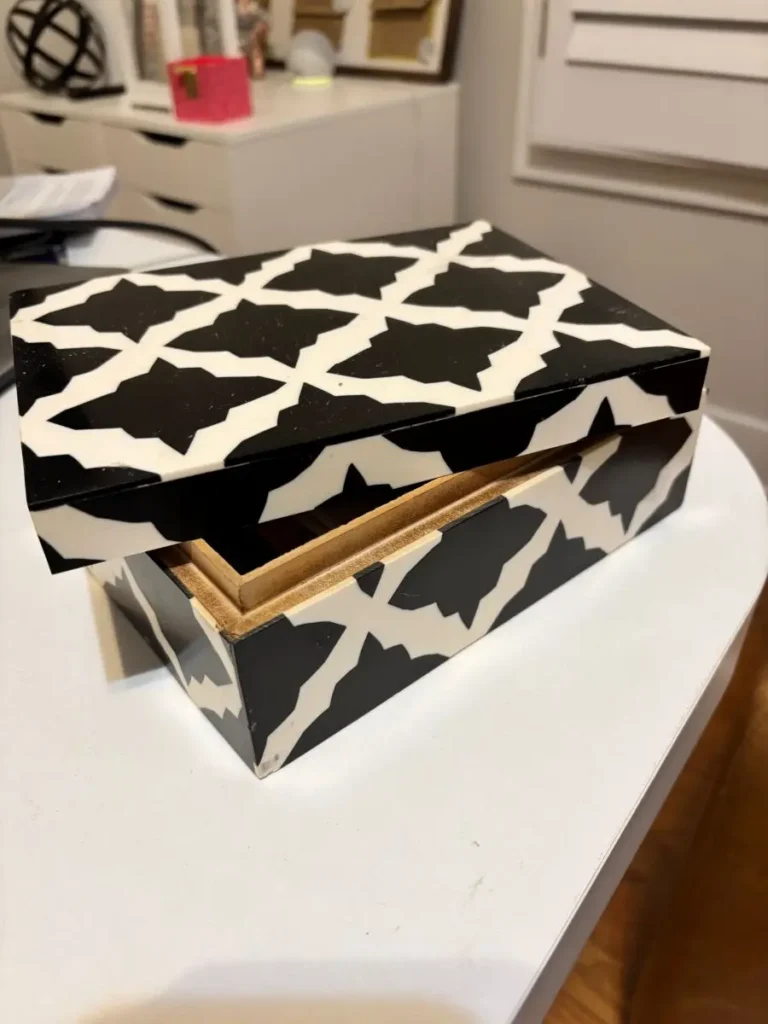
Find a mason jar or any jar you like (I personally use a wooden box). Grab some small pieces of paper and a pen. If you want, decorate the jar with a chalkboard label or stickers from a local craft store.
2. Write Down Joyful Moments
Every day, or whenever you feel like it, write something positive on a piece of paper. It could be:
- A positive message you heard
- A beautiful thing you noticed
- A happy quote that inspired you
- A way you went the extra mile for someone
- A moment of gratitude
- A blessing you received
3. Involve Your Family
Ask family members to add their own joyful moments to the “family happiness jar”. A happiness jar works even better when it becomes a shared tradition.
4. Share on Social Media
If you love the idea, inspire others! Post about your happiness jar on social media, or share your happiness jar quotes periodically. Encourage friends to start their own. Spreading positivity makes life brighter for everyone.
The Best Part: Opening Your Happiness Jar Quotes
After a couple of years, you’ll have a jar filled with joy. Reading through these happy moments will remind you of the joy in your life. Whether you open it on a special occasion or during a tough time, each piece of paper will bring a little bit of happiness.
Happiness isn’t about waiting for big events. It’s about collecting small, beautiful moments along the way and stopping to reflect on those moments to increase joy. A happiness jar is the easiest way to do that. Start one today and see how much joy it adds to your life!
Why This Isn’t Just a Craft Project
In midlife, it can feel almost indulgent to consider something as simple as a jar filled with small slips of paper. We’re managing careers, aging parents, evolving identities, and the quiet weight of responsibility. It’s easy to dismiss practices like this as “too simple” or even a little silly.
But midlife is often when our cognitive load — the amount of mental effort we’re carrying — is at its highest. When your brain is constantly tracking responsibilities and potential problems, it becomes harder to shift into a calmer, reflective state.
A happiness jar isn’t about being crafty. It’s about creating a visible cue in your environment that gently interrupts that constant problem-scanning. It’s a small, physical reminder that not everything needs solving in this moment.
And if part of you feels “too busy” or “too grown” for something this simple, that may be a sign that your days have become more about managing than noticing. This practice isn’t childish — it’s grounding. Sometimes the most effective resets are also the most uncomplicated.
🧠 Go Deeper: The Science of Your Midlife Brain
Small rituals like a Happiness Jar are just one piece of the puzzle. If you want to understand the “why” behind these shifts—and how to truly move out of “survival mode”—read my foundational guide: [How to Create Joy in Your Life].
In it, I break down how neuroplasticity works in midlife and how you can use simple, evidence-based tools to lower your cognitive load and reclaim your energy.